
MK Ultra Strain
MK Ultra Strain is among the most fascinating names in cannabis culture, recognized not just for its outstanding characteristics, but also for the mysterious origins of the name. MK Ultra is named after the CIA’s notorious mind-control program during the 1950s and 60s, and the name is immediately attention-getting. While the strain itself, like its name, has no relation to the historical project, the story adds curiosity, discussion, and cultural intrigue—contributing to MK Ultra’s identity as one of the most recognizable strain names in contemporary cannabis history.
Breed and Origins
MK Ultra Strain was first bred by T.H. Seeds, a renown Dutch seed company. It sits on the pedigree of two reputable parent plants, G-13 and OG Kush. According to widely spread cannabis folklore, G-13 was purportedly the governmental engineered plant discovered in the seventies—although this is typically accepted more widely as lore rather than reality. OG Kush, is a classical, documented strain originating from the U.S. West Coast.
The breeding of these two bold and storied strains produced something unique, resilient, and memorable in cultural lore. MK Ultra Strain began to gain notoriety in the early 2000s for its identifiers and even garnered accolades from major established academic experts.
Physique and Botanical Characteristics
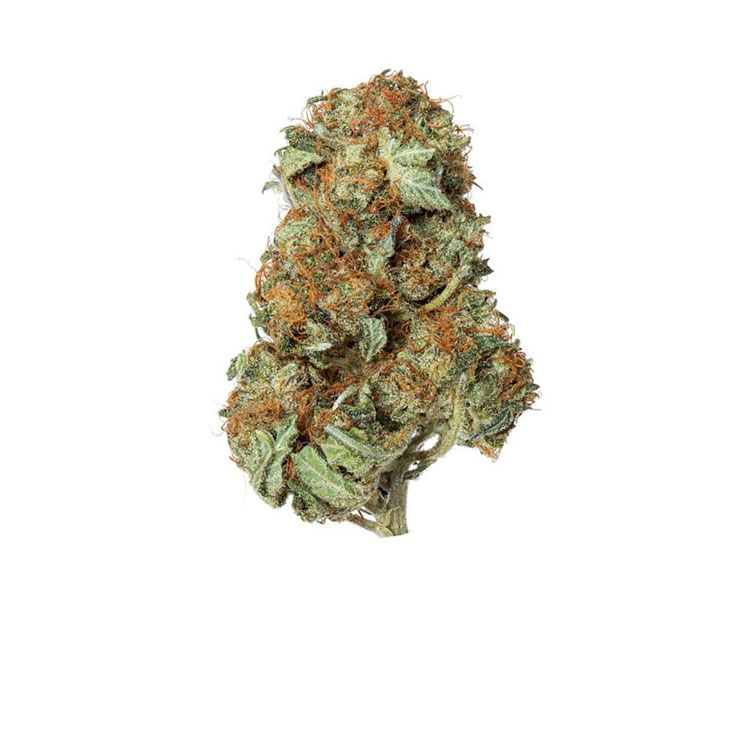
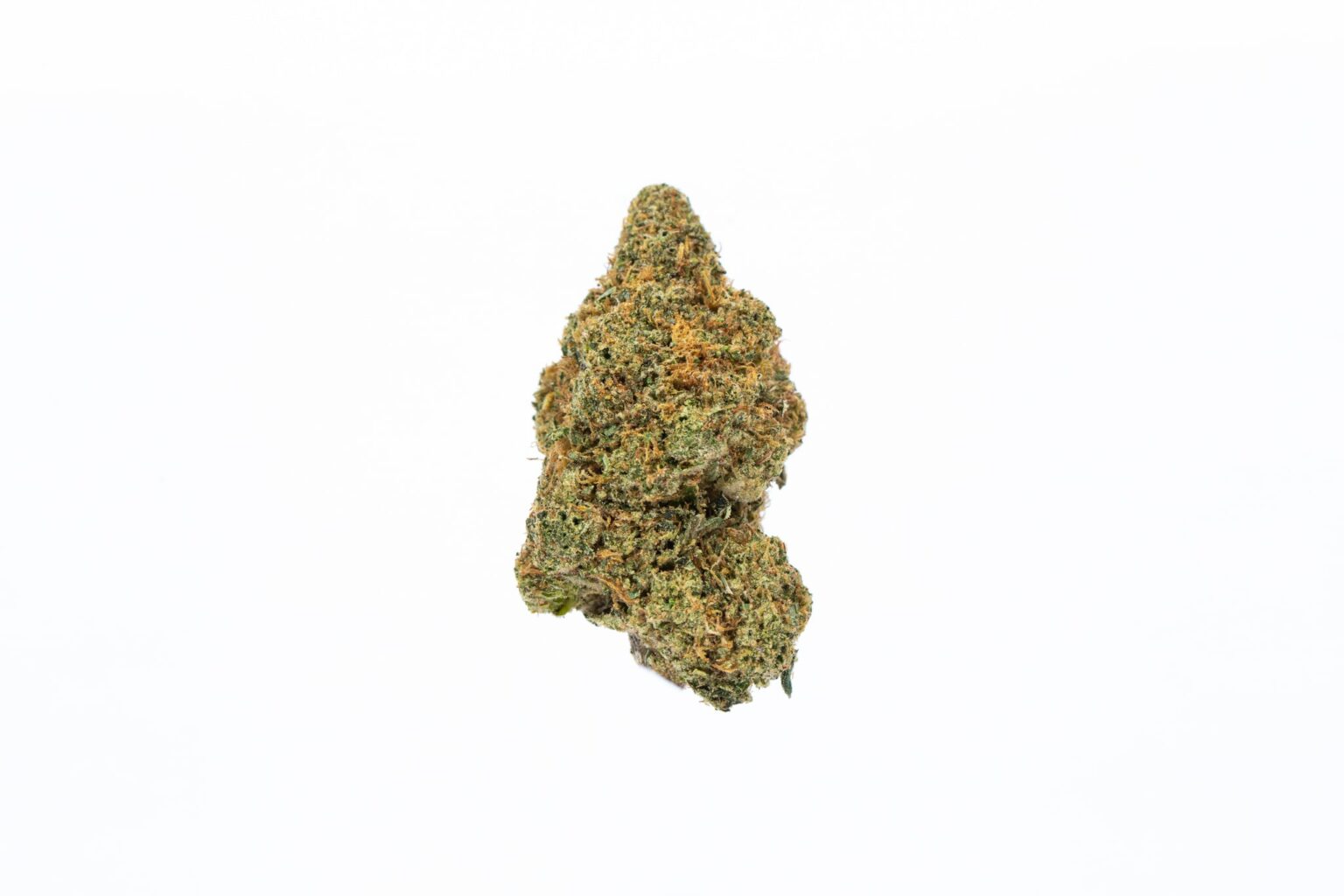
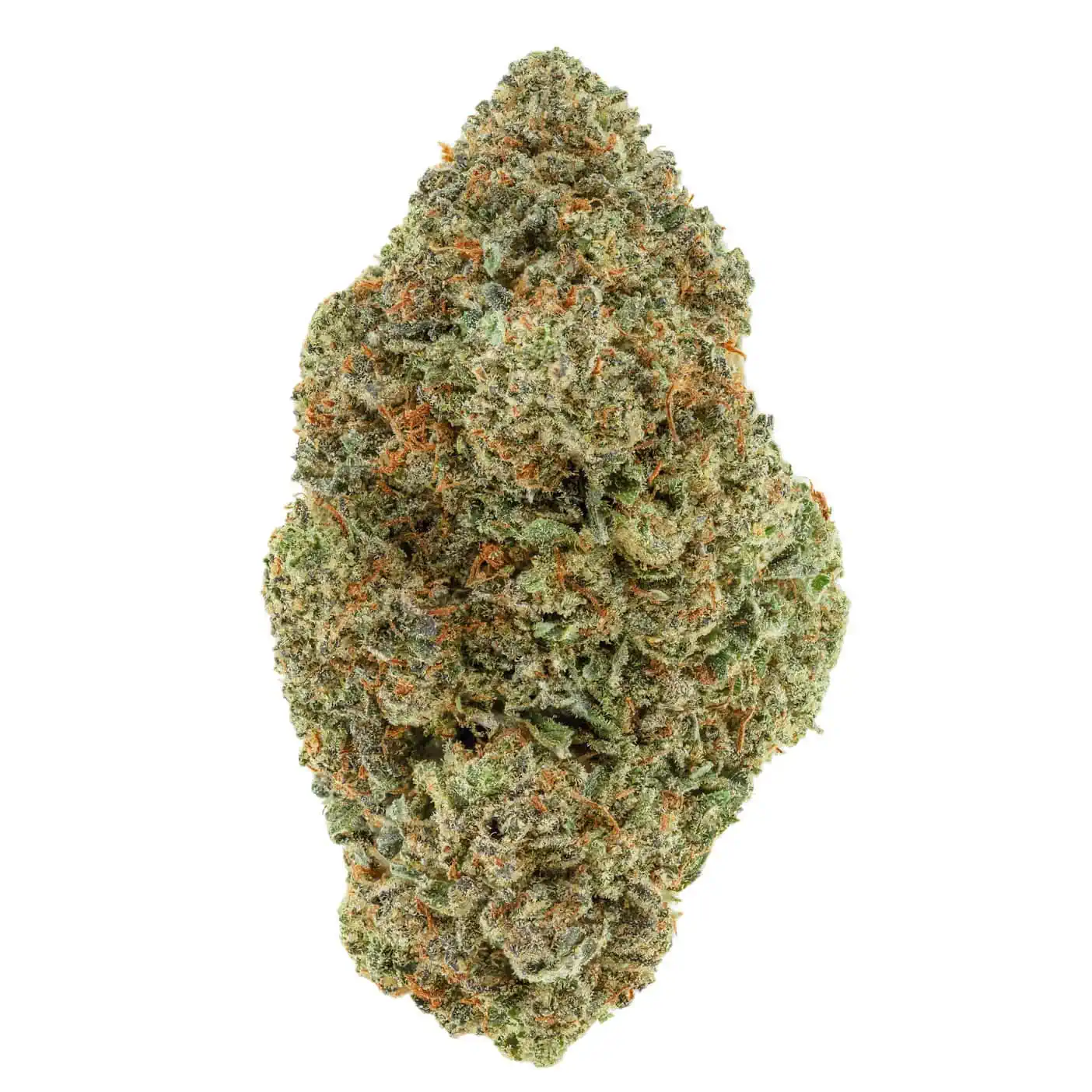
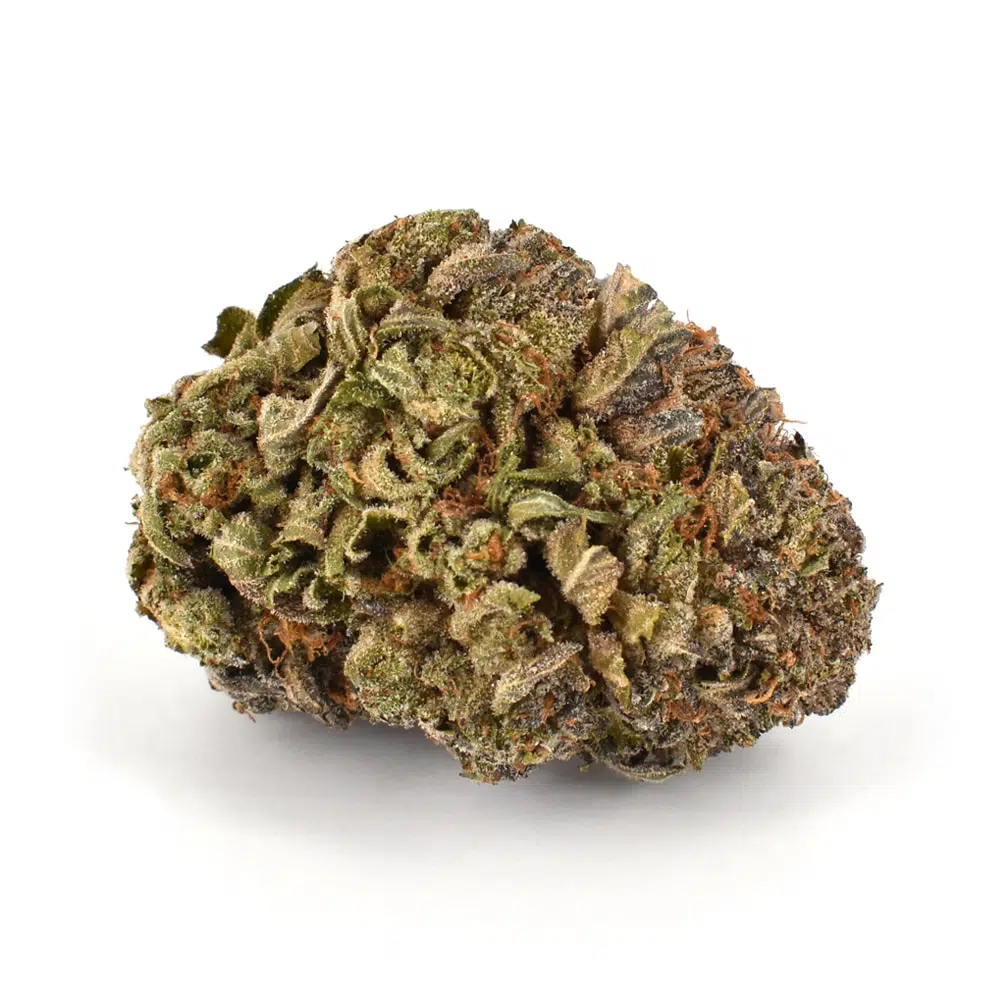
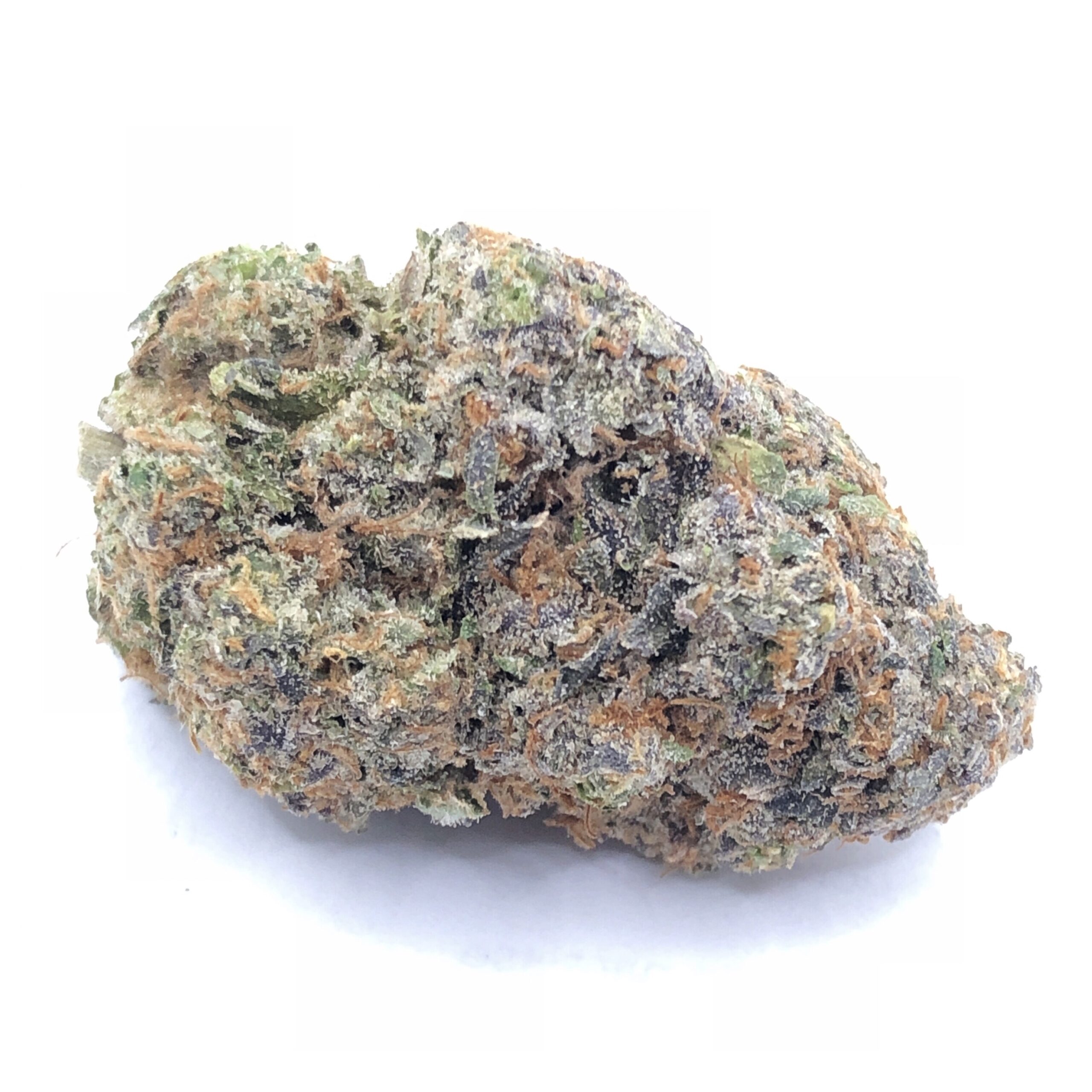
MK Ultra Strain generally develops as a compact cannabis plant sporting heavy buds and a robust construction. Botanically, it is characterized by wide, dark green leaves, thick flowering branches, and generous trichome coverage that provides the buds with a sparkling, frosted appearance. Such an abundance of resin production is due to the strong genetics from the lineage of its parent strains.
MK Ultra’s Strain growth style is attractive to growers (in legal areas) who appreciate a uniform structure and predictable growing pattern. Its physical attributes enhance its reputation as well. Many enthusiasts discuss the beauty of its dense color, and the vibrant contrast of deep green buds and bright orange pistils is particularly striking.
MK Ultra’s most distinguishable trait is its unique aroma. The strain may have terpenes such as:
Myrcene – providing the plant with earthy and herbal notes
Caryophyllene – providing some spiciness and warmth
Pinene – providing some fresh pine characteristics
Limonene – present in some variations of the strain providing a hint of citrus
The combination of these terpenes creates a fragrance that is discussed as earthy, woody, sweet with a hint of pine and spiciness. This specific multi-layered fragrance has generated much discussion, especially in terms of the chemistry of aroma and terpenes– in scientific papers, blog posts, and in cannabis communities too.
Cultural Significance and Recognition
MK Ultra Strain has made a significant impact on cannabis culture. Its iconic name, award-winning genetics, and distinctly pungent aroma have led to its moniker becoming a buzzword in strain databases, forums, music, and lifestyle discussions.
The name alone, taken from a real historical event, has made MK Ultra an intriguing and mysterious cannabic strain. For many experiencing the brand for the first time, there is a natural and immediate curiosity regarding both the strain and its name. This unique branding only further legitimizes MK Ultra as a powerhouse example of classic cannabis genetics.
The influence of MK Ultra Strain extends past cannabis use, being discussed in artwork, strain reviews, film references, and merchandise. All of these factors contribute to the strain’s cultural presence, and cultural longevity signifies how a combination of storytelling, genetics, and branding can ultimately lead to an inherently iconic plant name.
A Modern Genetic Classic
In contemporary conversation, MK Ultra can be described as a classic within the larger timeline of cannabis breeding. Boasting of its desirable high-quality lineage, distinctive aroma, and mystery of fact/history, MK Ultra remains relevant in cannabis culture long after other novelty strains have eased popularity and cultural recognition.
Be the first to review “Buy MK Ultra Strain Online UK”
Related products
SATIVA
Reviews
There are no reviews yet.