
Grape Ape Strain
Grape Ape Strain Genetics, Botanical Characteristics & Resemblance, and Why It Means So Much to Us
•Description (Characteristics) Grape Ape Strain is one of the most famous names in cannabis genetics, known for its dark purple colour and sweet aroma resembling tropical fruit. Featured in many of the latest strain catalogs, Grape Ape Strain is widely used for its natural terpene profile and enjoyable high; something that has been achieved thanks to decades worth of breeding work where breeders starting mixing classic genetics with new hybrid lineages in order to create plants whose most standout feature was their visually striking good looks and aromas.
Origins and Genetic Lineage
The Grow Grape Ape Strain is a cross of Mendocino Purps, Skunk #1 and Afghani strain. Both these parent lines are heavily sought out in the world of marijuana breeding. Mendocino Purps is renowned for its violet colouration and sweet berry fragrance, Skunk #1’s role was to add stability and balance while Afghani added typical indica properties including sturdiness in growth and vigorousness .
This cross has yielded a hybrid that boasts the best of both its parents, in features such as heavy colours, tight internodes and a particular smell. Specifically, while some records regarding Grape Ape’s lineage are a bit elusive and often varied among sources, it is always known to be of indica-dominant heritage – one that falls under the umbrella family of strains that stem from landrace plants from the Central and South Asian regions.
Botanical Characteristics
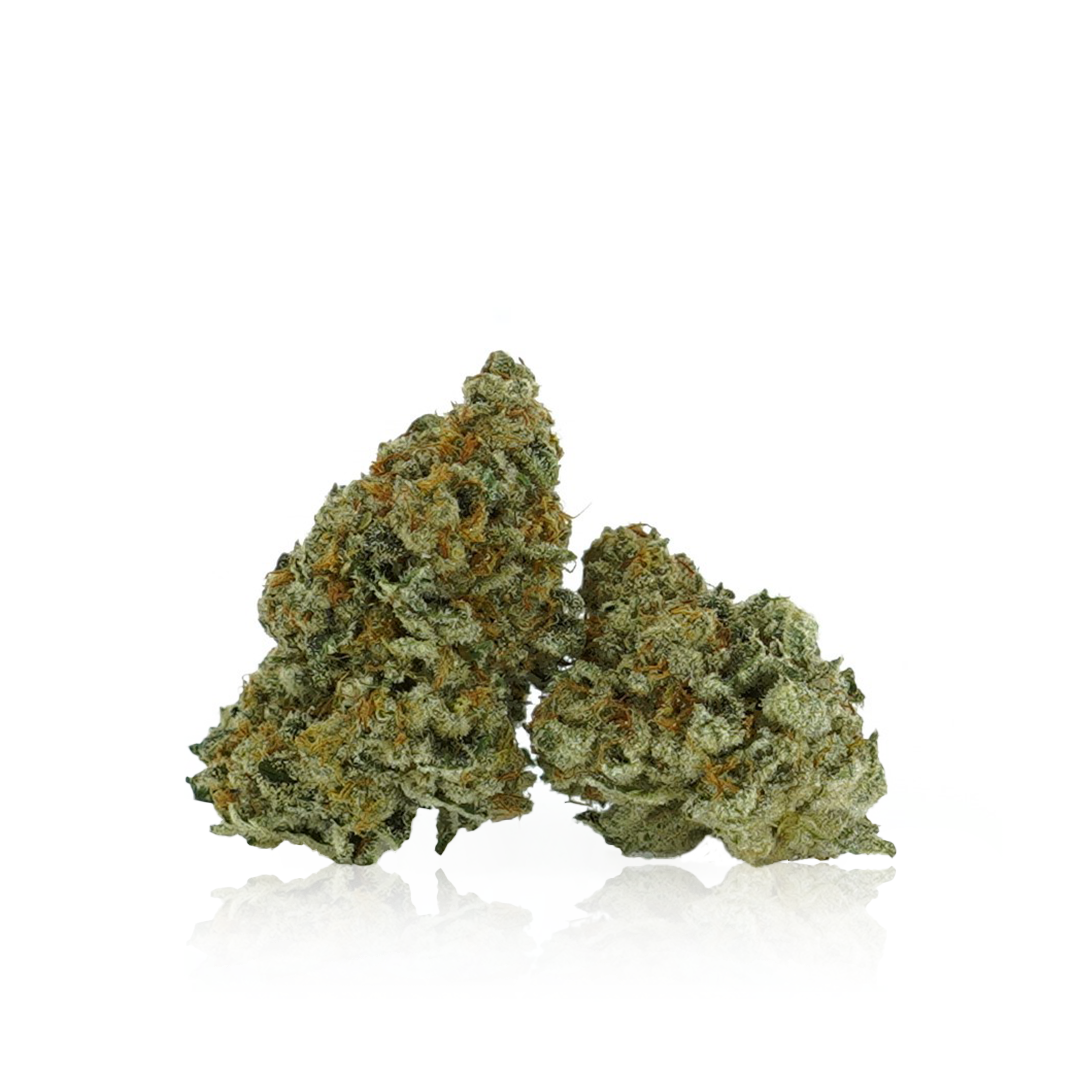
Grape Ape Strain is, from a gardener’s perspective, very indica in character. Usually the plant is short and of mid-high stature and has broad leaves and sturdy stems. Its buds tend to be tight and clustered in Afghani-like formation.
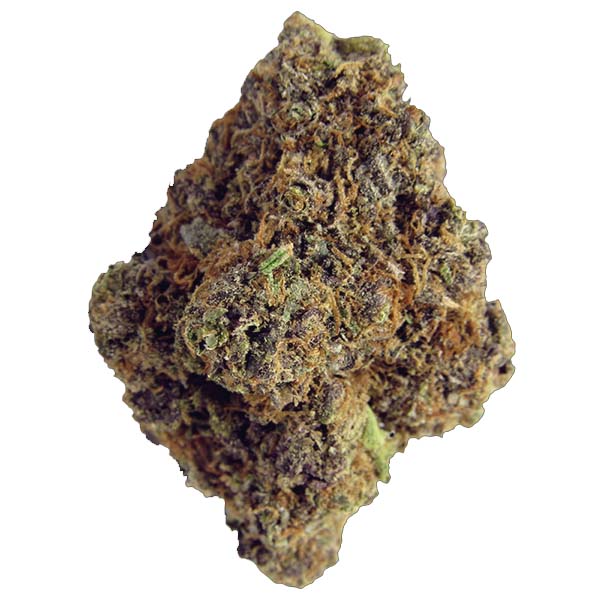
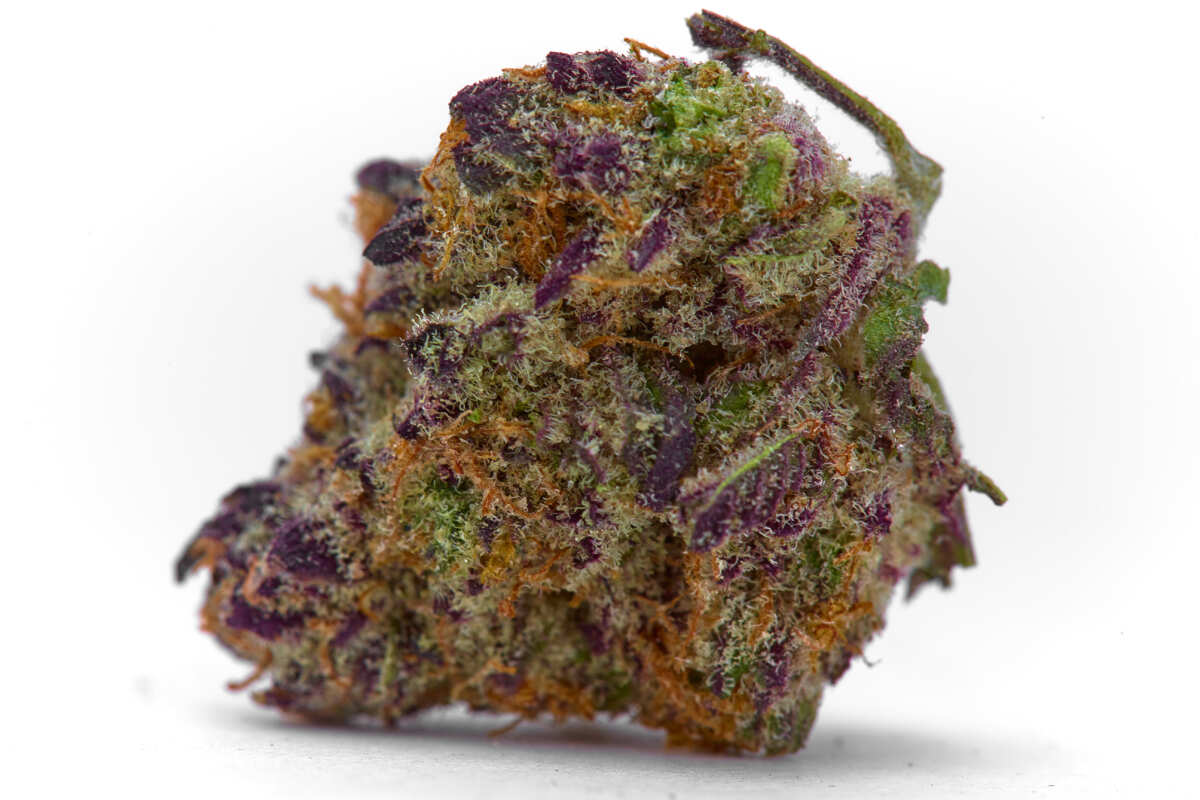
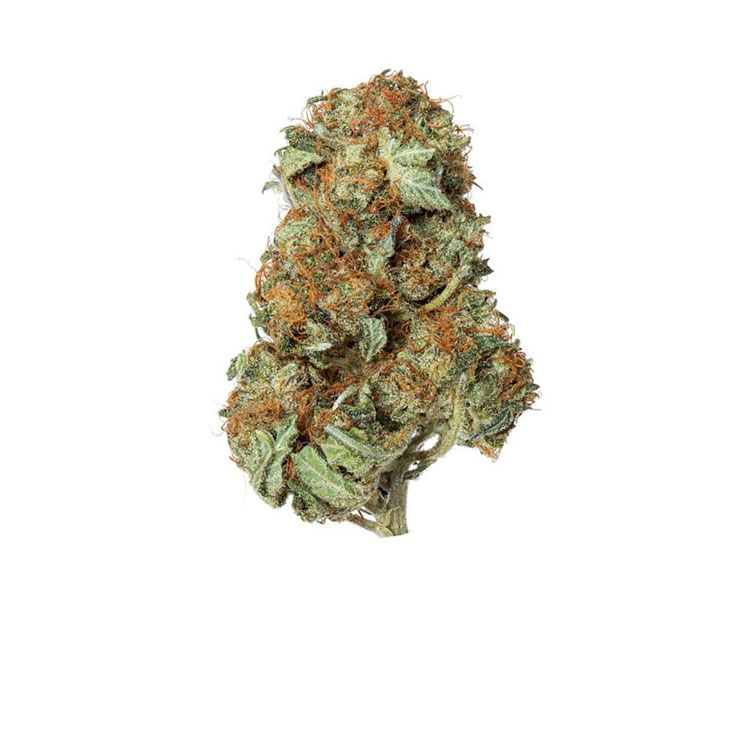
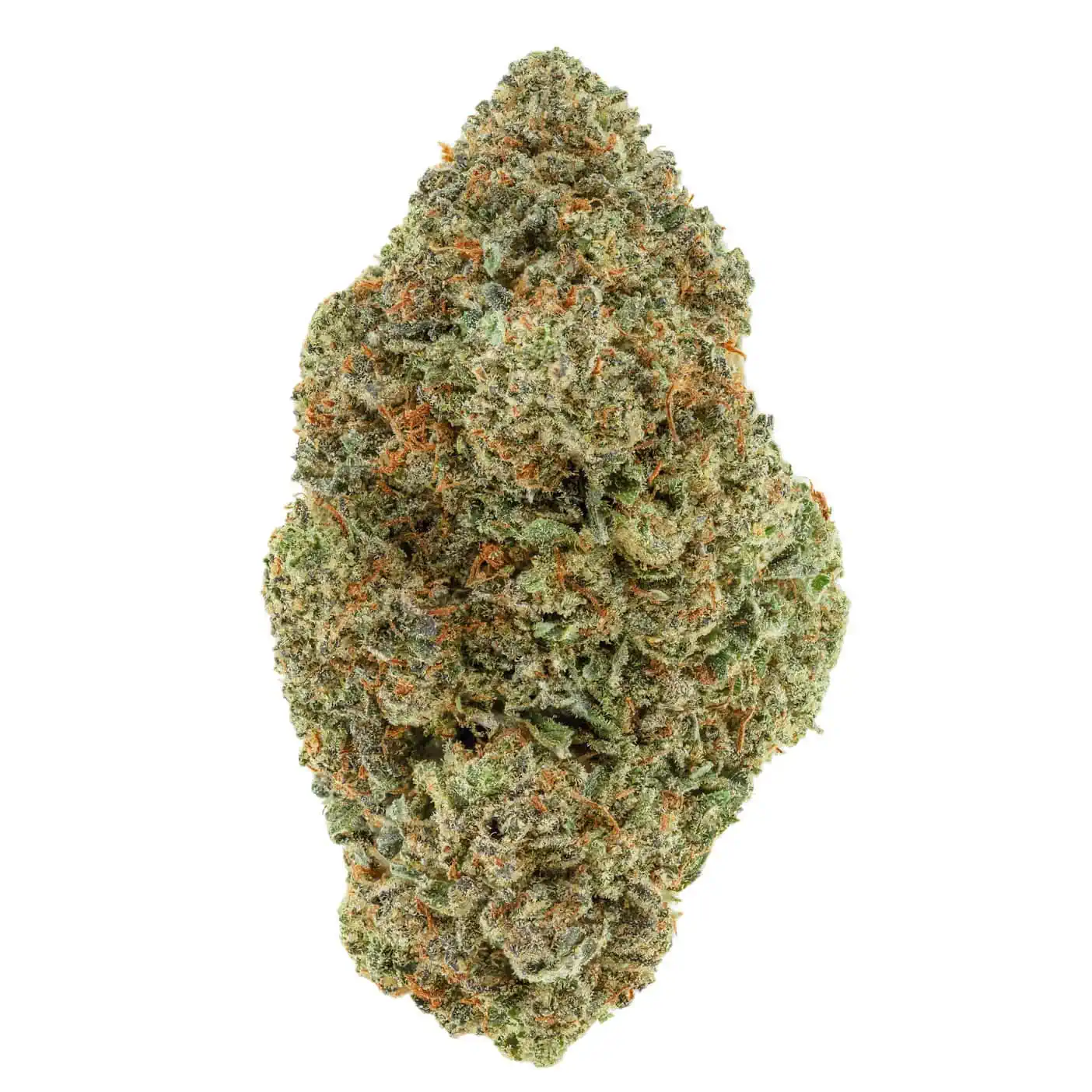
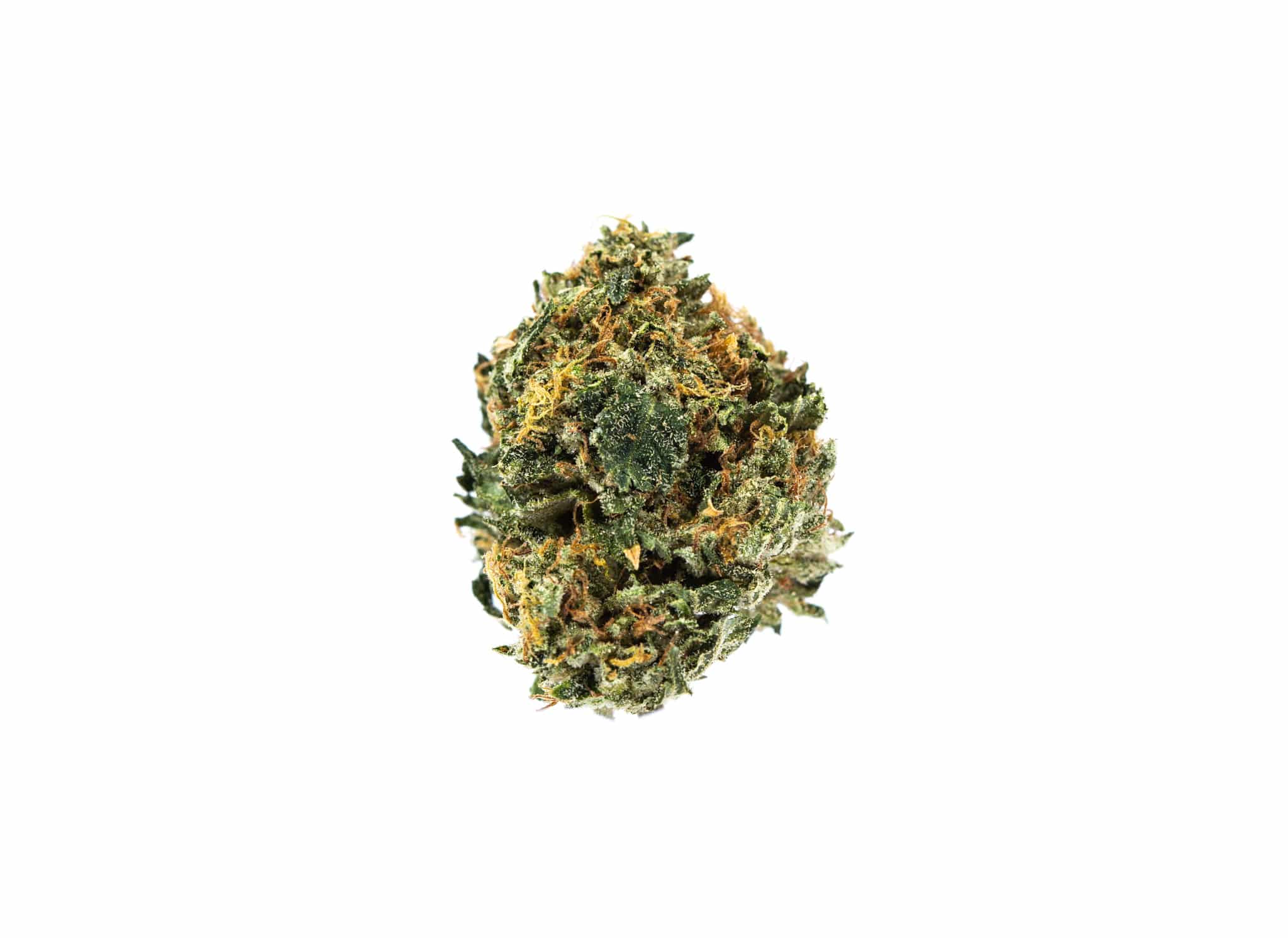
Grape Ape’s most prominent visual feature is its purple coloration. The pigmentation is due to a natural constituents known as anthocyanin (also responsible for the hues I blueberries, grapes and red cabbage). Lower temperatures while buds mature can boost the color and cause it to develop into a deeper violet, or even lavender.
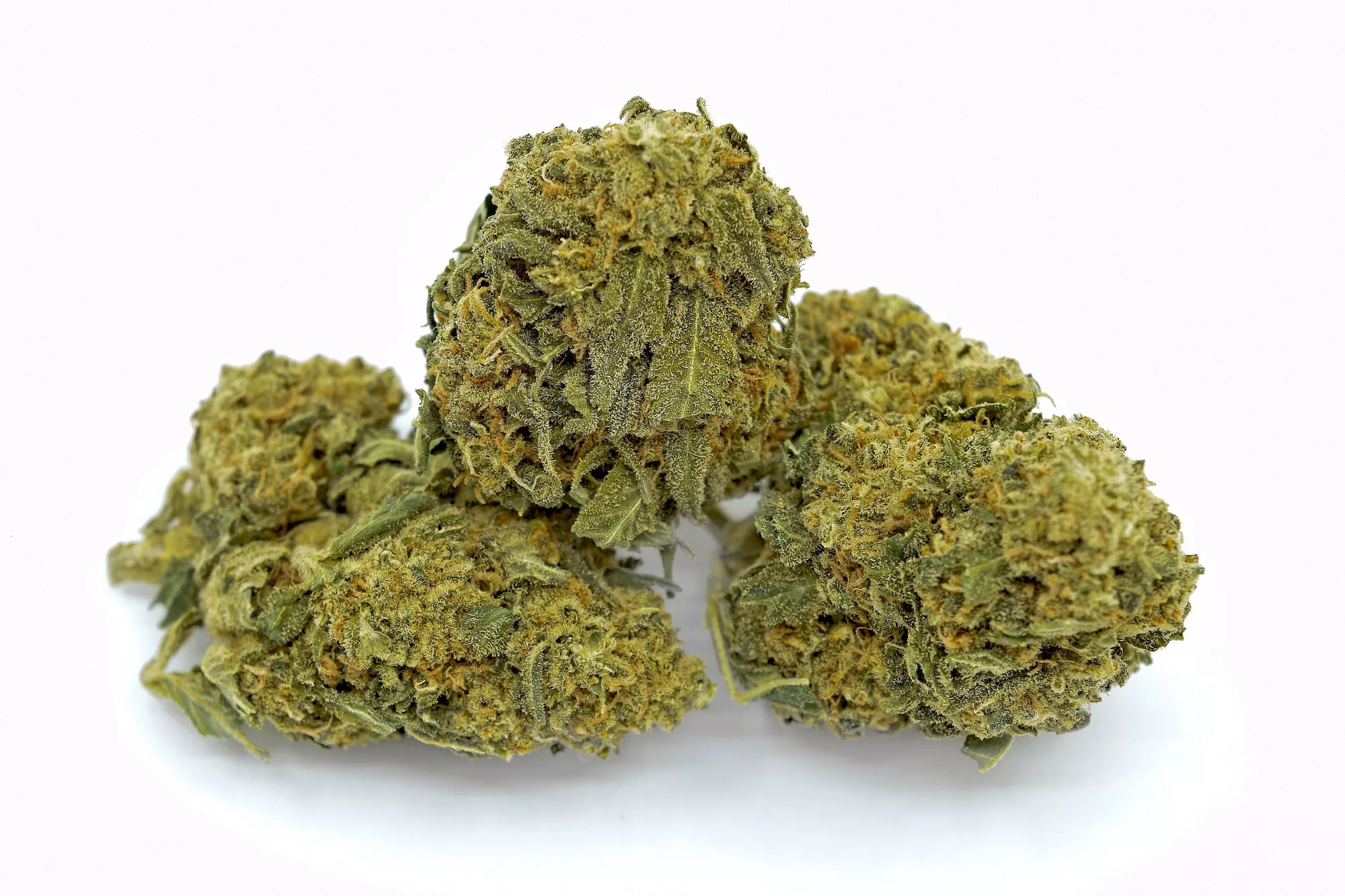
The flowers are heavily frosted with few leaves and many, long thick stalked trichomes. Botanically speaking, trichomes are the plant’s defense mechanisms that protect it from insects, UV radiation and some environmental exposure.
Aroma and Terpene Profile
Grape Ape gets its name from the distinctive sweet grape smell it produces, with similar berry scents.It’s powerful and is well-known for being a sedative strain. That’s thanks to its terpenes —aromatic compounds that help a plant fend off attackers and attract pollinators.
Some of the more prevalent terpenes, that have various uses and health benefits are listed below: Common Terpenes in Grape Ape.
Myrcene – adding an earthy and herbal flavor profile
Caryophyllene – contributing to the mild spiciness and warmth Profile: spicy, musky, touch of lemon Parade : Spicy lemongrass soup with tomatoes.
Limonene – to lend a touch of citrus and sweet notes
Combined, these elements account for the multifaceted aroma that identified Grape Ape in an instant. Terpenes not only are the source of smells, but they also help scientists who study plants understand how chemical and physical environments have helped shape plant physiology.
Cultural Influence
The grape ape started to get popular in the 2000’s when marijuana culture became more widespread and strain identification became more concrete. The strain’s memorable name, bright color and fruity scent helped it stand out among hordes of earth-tone, skunk-based strains that dominated previous decades.
For many years thereafter, the strain was a popular subject in cannabis literature and online message forums, as well as an entry within various genetic reference books. It also filtered out into music, visual art and lifestyle branding, with “grape”-flavored strains coming to be associated with luxury, relaxation and free-wheeling creativity. In time, Grape Ape felt like an emblem of a new wave of strains that valued aroma and appearance — along with branding — as highly as genetic soundness.
Role in Breeding and Research
Due to its robust indica heritage and distinct atypically dark coloration, grape Ape has been used in efforts to create new lines of purple or fruit-flavoured strains. Its predictable growing pattern and terpene production makes it handy for breeders who are studying which colours and smells are passed from generation to generation.
Among more intellectual horticultural conversations, strains such as Grape Ape help to illustrate the ways in which selective breeding can work magic on distinctive visual and aromatic traits even while promoting legends of resiliency and consistency. They can also be used as standalone by which growers can compare traditional landrace-influenced genetics with today’s hybrid strains.
Conclusion
Grape Ape is just one example of how genetics, environment, and cultural heritage intersect in plant breeding. With lineage sourcing back to its highly sought after parent strains, and a reputation based on colour, smell and structure; it is a classic within the history of cannabis. Whether for its botanical characteristics, relativity in genetics or its role playing a part in the modern adaptation of strains, Grape Ape is a reoccurring page in the never-ending nature of cannabis evolutions.

Be the first to review “Buy Grape Ape Strain Online UK”
Related products
Reviews
There are no reviews yet.